Introduction
At first glance, a drinking water faucet seems like a small detail. It’s just a tap, right?
Not quite.
The faucet you choose directly affects water quality, usability, and even the long-term performance of your filtration system. For homeowners investing in better water—whether through reverse osmosis or full filtration—this decision carries more weight than most realize.
Understanding drinking water faucets considerations ensures you don’t bottleneck your system with the wrong hardware. Because even the best filtration system can fall short if the delivery point isn’t designed correctly.
TLDR – Quick Guide
If you want a quick answer, here are the key drinking water faucets considerations:
- Match the faucet to your filtration system (RO, carbon, etc.)
- Choose durable materials like stainless steel or brass
- Consider flow rate and water pressure
- Ensure compatibility with your sink and installation setup
- Look for features like air gaps and leak prevention
The right faucet doesn’t just deliver water—it enhances the entire system.
Detailed Breakdown
Choosing a drinking water faucet is not just about aesthetics. It’s about compatibility, performance, and long-term reliability.
Compatibility with your filtration system
One of the most important drinking water faucets considerations is system compatibility.
Different systems require different faucet designs:
- Reverse osmosis systems often require an air gap faucet to prevent backflow
- Standard filtration systems may use non-air gap faucets
- Some systems need dedicated lines for proper pressure
If the faucet doesn’t match your system requirements, you may experience:
- Reduced flow rate
- Improper drainage
- Potential contamination risks
Always confirm compatibility before making a selection.
Material quality and durability
The materials used in your faucet directly impact longevity and water safety.
Common options include:
- Stainless steel: durable, corrosion-resistant, and long-lasting
- Solid brass: strong and reliable, often used in premium fixtures
- Plastic components: lower cost but less durable over time
Higher-quality materials:
- Resist corrosion and mineral buildup
- Maintain water purity
- Reduce the need for frequent replacements
When evaluating drinking water faucets considerations, material choice should never be an afterthought.
Flow rate and water pressure
A faucet’s flow rate determines how quickly you can access filtered water.
This becomes especially important for systems like reverse osmosis, which naturally produce water at a slower rate.
Things to consider:
- Larger households may need higher flow capacity
- Low flow rates can create frustration during daily use
- Pressure compatibility ensures smooth operation
Balancing flow rate with system capability is key to maintaining performance.
Air gap vs non-air gap faucets
This is one of the most overlooked but critical drinking water faucets considerations.
Air gap faucets:
- Prevent contaminated water from flowing back into the filtration system
- Required by code in some areas
- Include an extra line for drainage
Non-air gap faucets:
- Simpler design
- Fewer installation requirements
- May not offer the same level of protection
For many homeowners, especially those using reverse osmosis systems, air gap faucets provide an added layer of safety.
Design and finish options
While functionality comes first, design still matters—especially in modern kitchens.
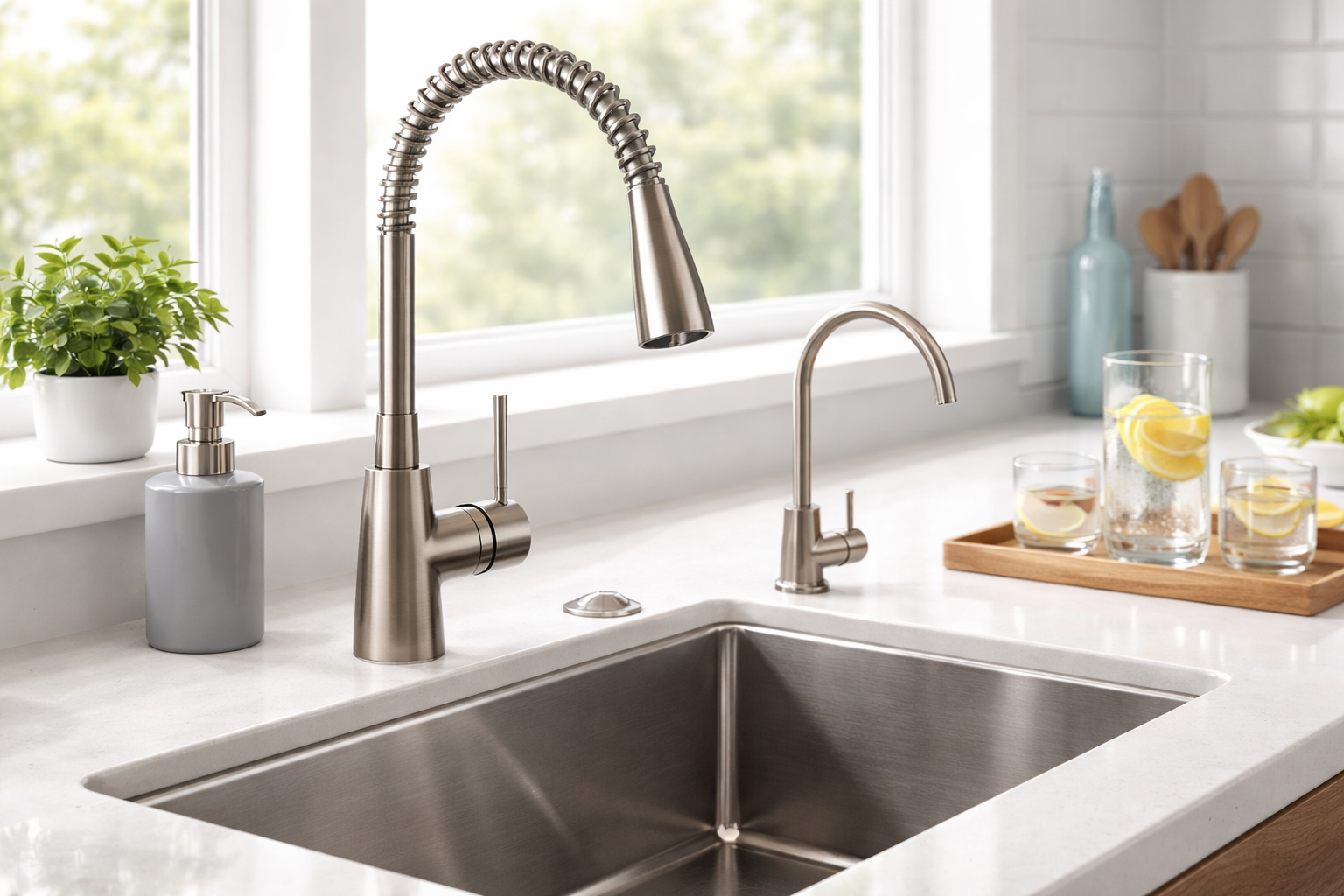
Faucets come in a variety of finishes:
- Brushed nickel
- Chrome
- Matte black
- Oil-rubbed bronze
Choosing a finish that complements your kitchen ensures the faucet integrates seamlessly with your overall design.
For high-end homes, this is not just a utility—it’s part of the visual experience.
Ease of installation and maintenance
Some faucets are easier to install and maintain than others.
Important considerations include:
- Number of holes required in your sink or countertop
- Accessibility for future repairs or replacements
- Compatibility with existing plumbing
A well-chosen faucet simplifies both installation and long-term maintenance.
Additional features that improve usability
Modern drinking water faucets often include features that enhance convenience.
These may include:
- 360-degree swivel spouts
- LED indicators for filter status
- Touch or push-button activation
- Leak-resistant designs
While not essential, these features can improve everyday usability and overall satisfaction.
Common mistakes to avoid
Even with the best intentions, homeowners often overlook key details.
Avoid these mistakes:
- Choosing a faucet based on appearance alone
- Ignoring system compatibility
- Selecting low-quality materials to save money
- Overlooking installation requirements
- Not considering long-term maintenance
Each of these can reduce the effectiveness of your entire filtration system.
Why the right choice matters
Your drinking water faucet is the final step in your water treatment process. It’s where everything comes together.
A poor choice can:
- Limit system performance
- Introduce contamination risks
- Create daily inconvenience
A well-chosen faucet ensures that your investment in clean water is fully realized.
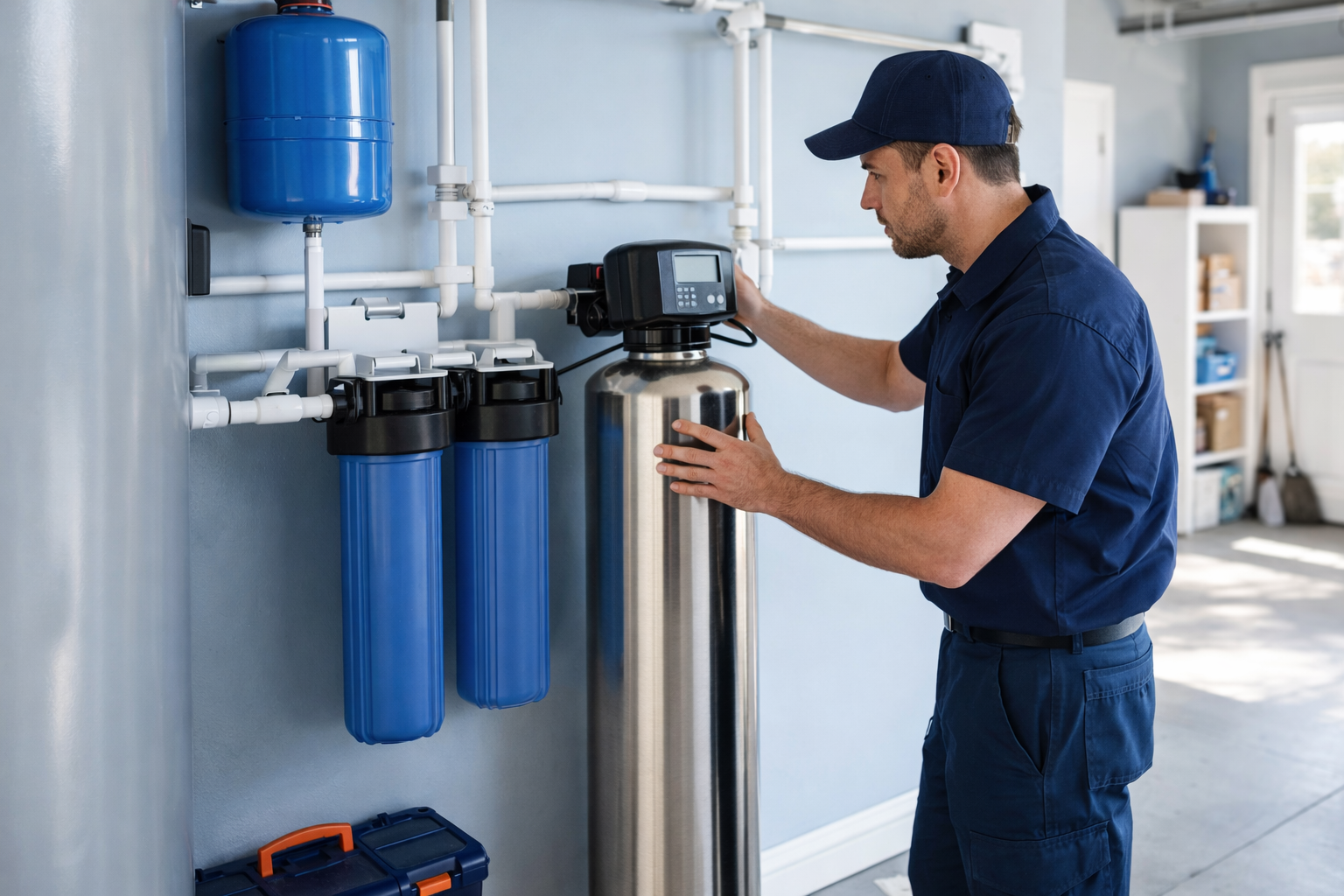
Working with experienced providers like WaterTechniques can help ensure every component—from filtration system to faucet—is properly aligned.
Key Takeaways
- Drinking water faucets considerations go beyond aesthetics
- Compatibility with your filtration system is critical
- Material quality impacts durability and water safety
- Flow rate and pressure affect daily usability
- Choosing the right faucet ensures your system performs at its best
Small detail, big impact—that’s the reality of choosing the right faucet.
FAQs
1. What are the most important drinking water faucets considerations?
The most important factors include compatibility with your filtration system, material quality, and flow rate. These elements directly impact performance and durability. Ignoring them can reduce the effectiveness of your system.
2. Do I need a special faucet for reverse osmosis systems?
Yes, reverse osmosis systems often require specific faucets, especially air gap models. These help prevent backflow and contamination. Using the wrong faucet can lead to performance issues.
3. Are air gap faucets better than non-air gap faucets?
Air gap faucets provide additional protection against contamination. They are often required by local codes for certain systems. While more complex, they offer increased safety.
4. What material is best for a drinking water faucet?
Stainless steel and solid brass are considered the best options. They offer durability, corrosion resistance, and long-term reliability. Lower-quality materials may degrade faster.
5. Can I install a drinking water faucet myself?
Some faucets are designed for easy installation and can be handled by homeowners. However, more complex setups may require professional assistance. Proper installation ensures optimal performance and prevents issues.