Introduction
Most homeowners assume all water filters do the same thing. Buy a system, install it, and your water gets better. Simple, right?
Not quite.
Water quality varies dramatically depending on location, plumbing, and even seasonal changes. That means a generic solution often misses the mark. The real transformation happens when you build a system around your specific water profile.
This is where custom water filtration comes in. Instead of guessing, you start with actual data—your water test results—and design a system that targets exactly what’s in your water. No more, no less.
TLDR – Quick Guide
- Custom water filtration starts with a detailed water test
- Systems are designed based on specific contaminants and conditions
- Combines multiple technologies (softening, carbon, RO, etc.)
- Prevents over-filtering or under-treating your water
- Delivers better performance, efficiency, and long-term value
If you want real results, not guesswork, testing is step one.
Detailed Breakdown
A custom water filtration system is only as good as the data behind it. Everything starts with understanding exactly what’s in your water.
Step 1: Water Testing Identifies the Real Problem
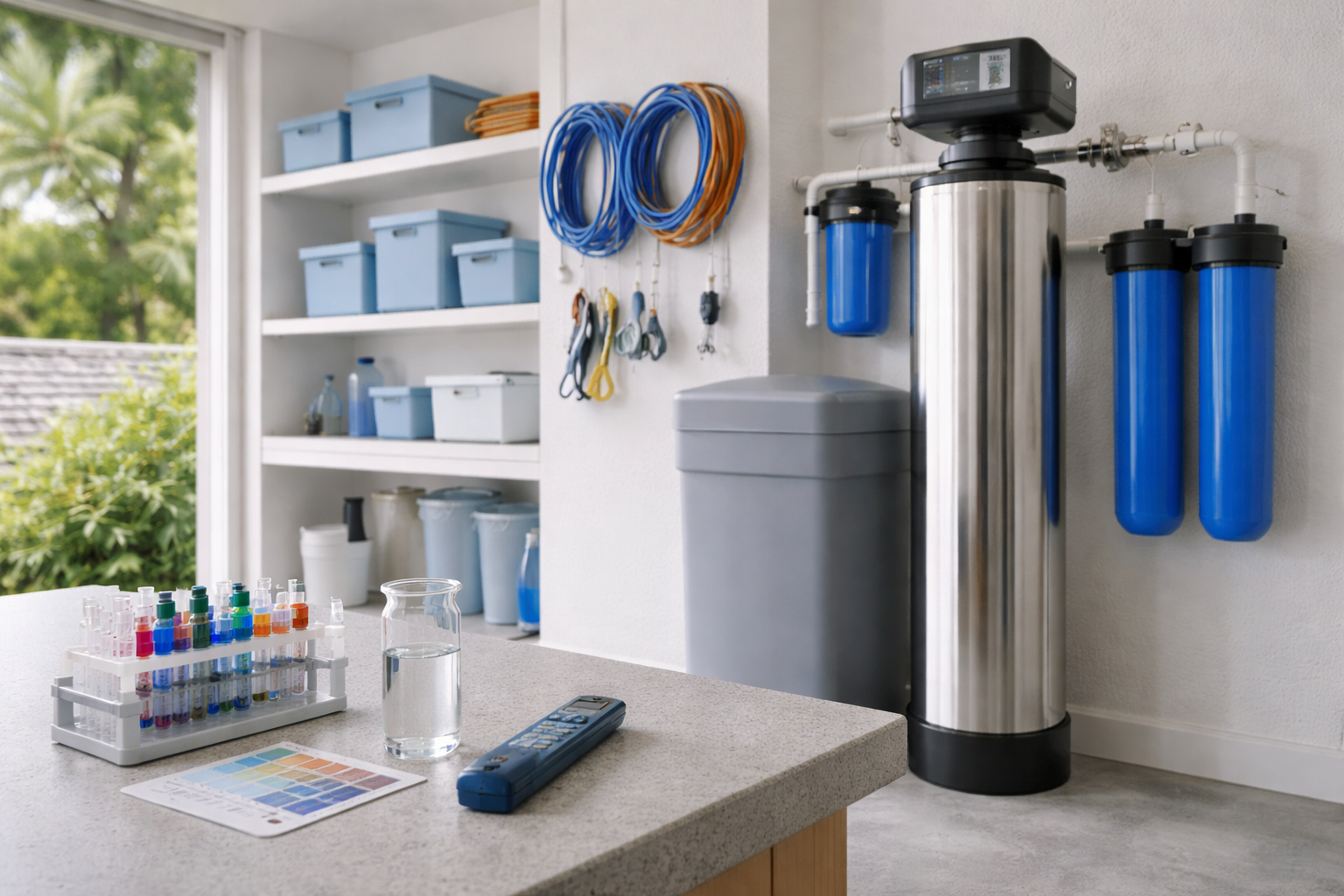
Before designing any system, a comprehensive water test is performed. This reveals both visible and invisible issues.
Common findings include:
- Hardness (calcium and magnesium levels)
- Chlorine or chloramine from municipal treatment
- Sediment such as sand or rust
- Heavy metals like lead or iron
- pH imbalance (acidic or alkaline water)
Without this step, you are essentially guessing. With it, you have a clear blueprint.
This is the foundation of effective custom water filtration.
Step 2: Matching Filtration Methods to Contaminants
Once the test results are in, each issue is matched with a specific treatment method.
There is no single filter that solves everything. Instead, systems are built using a combination of technologies:
- Water softeners for hardness
- Carbon filters for chlorine, odor, and taste
- Sediment filters for particles and debris
- Reverse osmosis systems for drinking water purification
- Specialty filters for iron, sulfur, or heavy metals
Each component is selected with purpose. This ensures that the system is efficient and targeted.
Step 3: Designing for Your Home’s Usage
Water quality is only part of the equation. Your home’s size and usage patterns also play a major role.
A proper custom system considers:
- Number of occupants
- Daily water consumption
- Number of bathrooms and appliances
- Peak usage times
For example, a large home with multiple bathrooms requires higher flow rates than a smaller household. If the system is undersized, performance drops. If it is oversized, you waste money.
This is why custom water filtration focuses on both water quality and water demand.
Step 4: Layering Filtration for Maximum Effectiveness
Most effective systems are not built with a single filter. They use a layered approach.
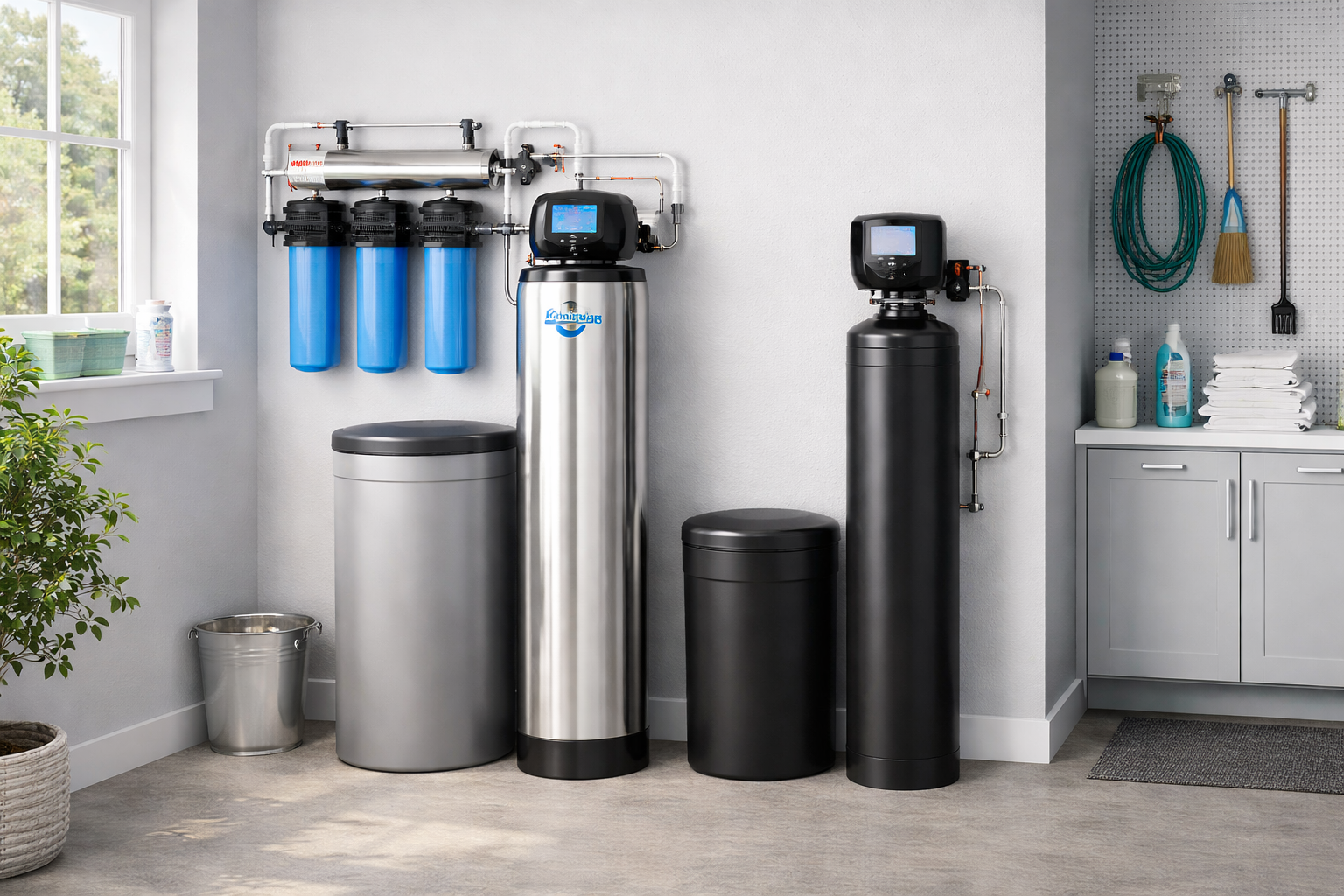
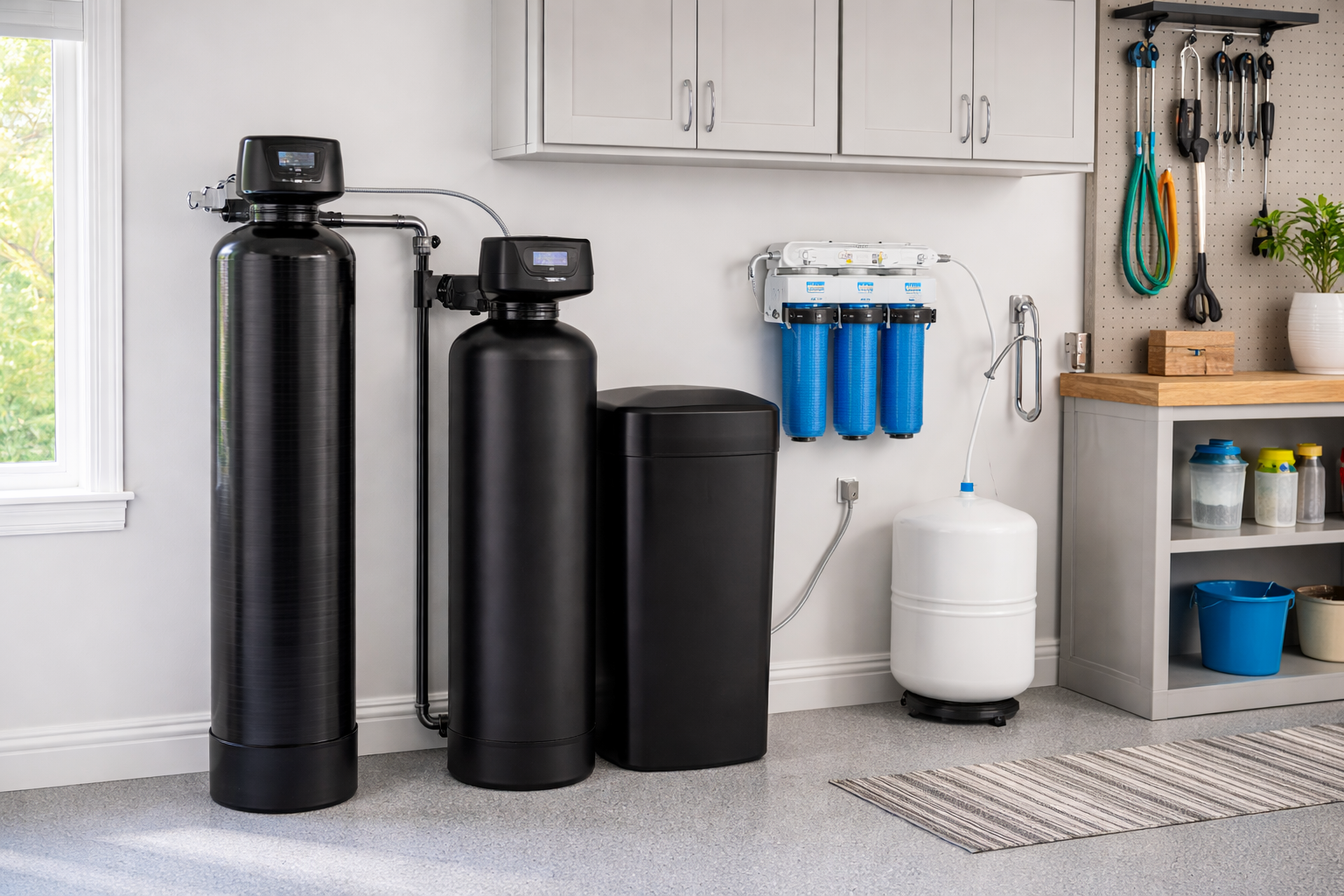
A typical setup might include:
- Pre-filtration to remove sediment
- Carbon filtration to eliminate chlorine and chemicals
- Softening to address hardness
- Reverse osmosis for drinking water
Each layer builds on the previous one, creating a complete treatment process.
This multi-stage design ensures:
- Better water quality
- Longer system lifespan
- Reduced maintenance issues
Step 5: Avoiding Over-Treatment and Under-Treatment
One of the biggest advantages of custom water filtration is precision.
Generic systems often:
- Over-filter, removing beneficial minerals unnecessarily
- Under-filter, leaving key contaminants untreated
Both scenarios create problems. Over-treatment can affect taste and cost, while under-treatment leaves your water quality issues unresolved.
Custom systems eliminate this guesswork by targeting exactly what your water needs.
Step 6: Installation and System Calibration
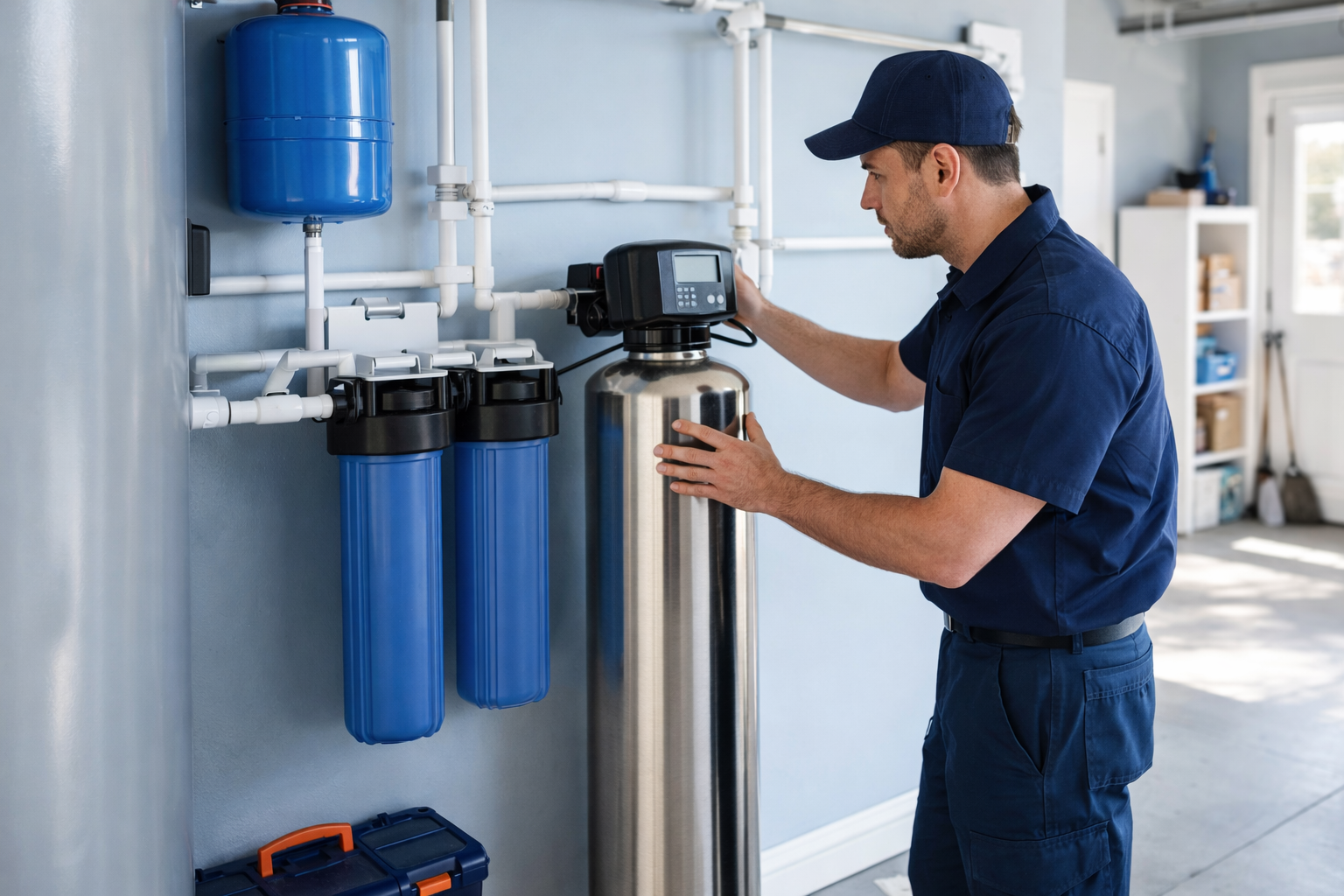
Once the system is designed, proper installation is critical.
This includes:
- Positioning filters in the correct sequence
- Ensuring adequate water pressure and flow
- Calibrating settings for optimal performance
Even the best design can fail with poor installation. That is why working with experienced providers, such as WaterTechniques, ensures the system performs as intended from day one.
Step 7: Ongoing Monitoring and Maintenance
Water conditions can change over time. That is why maintenance is part of the process, not an afterthought.
A strong maintenance plan includes:
- Scheduled filter replacements
- Periodic water re-testing
- System inspections
This keeps your custom water filtration system operating at peak performance and adapts to any changes in water quality.
Common Mistakes Homeowners Make
Many homeowners skip key steps, which leads to poor results.
Avoid these common issues:
- Installing a system without testing water first
- Choosing a one-size-fits-all solution
- Ignoring system sizing and flow rate requirements
- Skipping maintenance or delaying filter changes
Each of these mistakes reduces effectiveness and can increase long-term costs.
Key Takeaways
- Custom water filtration starts with accurate water testing
- Each system is built to target specific contaminants
- Proper sizing ensures consistent performance across the home
- Multi-stage filtration delivers the best results
- Ongoing maintenance keeps the system effective over time
The difference between average and exceptional water quality comes down to one thing: designing the system around real data.
FAQs
1. What is custom water filtration?
Custom water filtration is a system designed specifically for your home based on your water test results. It targets the exact contaminants present in your water. This ensures better performance compared to generic systems.
2. Why is a water test necessary before installing a system?
A water test identifies the specific contaminants and conditions in your water. Without it, you are choosing a system based on assumptions. Testing ensures the filtration system is accurate and effective.
3. Can one filter remove all contaminants?
No, different contaminants require different filtration methods. This is why custom systems use multiple technologies. Combining these methods ensures comprehensive water treatment.
4. How often should water be retested?
Water should typically be retested every one to two years or if you notice changes in quality. This helps ensure your system is still properly aligned with your water conditions. Adjustments can be made if needed.
5. Is custom water filtration more expensive?
It may have a higher upfront cost compared to standard systems. However, it often saves money long-term by improving efficiency and reducing maintenance issues. The performance benefits usually outweigh the initial investment.